
Aquarium Guides Setup, Maintenance & Troubleshooting
From cycling your first tank to solving algae problems, our guides walk you through every step of building and maintaining a healthy aquarium.
Tank Setup
Everything you need to get a new freshwater or saltwater aquarium running — from choosing a tank to completing your first cycle.
How to Cycle a Freshwater Aquarium: Complete Step-by-Step Guide
Learn how to properly cycle a freshwater aquarium before adding fish. Step-by-step fishless cycling guide covering the nitrogen cycle, ammonia dosing, water testing, and when your tank is ready for fish.
Read Guide
How to Set Up a Small Freshwater Fish Tank
Easy six-step guide to setting up a small freshwater aquarium. Learn proper placement, equipment selection, cycling, fish stocking, and maintenance for a thriving nano tank.
Read Guide
How to Prepare an Aquarium for New Fish
Complete guide to preparing your aquarium before adding fish. Learn how to set up substrate, decorations, equipment, and condition water for a healthy environment.
Read Guide

Tank Maintenance
Keep your aquarium healthy long-term with proper cleaning routines, water chemistry, and feeding practices.
How to Clean Your Fish Tank: The Complete Guide
Master aquarium maintenance with proper cleaning techniques. Learn water change procedures, gravel vacuuming, filter maintenance schedules by tank size, and essential cleaning tools for a healthy fish tank.
Read Guide
12 Creative Hacks to Keep Your Fish Tank Clean
Genuinely creative hacks for keeping your aquarium clean with less effort. From bucket-on-wheels water changes to pothos in your filter, these are the shortcuts experienced fishkeepers actually use.
Read Guide
How To Change Aquarium Filter Without Losing Bacteria
Learn how to safely change your aquarium filter without crashing your biological filtration. Understand the science behind beneficial bacteria and avoid common mistakes that lead to water quality problems.
Read Guide

Troubleshooting
Something wrong with your tank? Diagnose and fix the most common aquarium problems.
Why Is My Aquarium Water Cloudy? Causes and Solutions
Diagnose and fix cloudy aquarium water. Learn to identify bacterial blooms, algae blooms, and other causes of murky tank water, plus proven solutions for each type.
Read Guide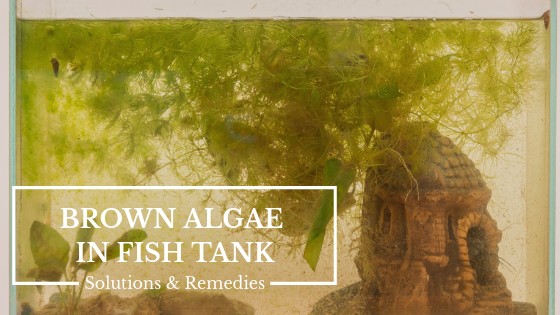
Brown Algae in Fish Tank: Causes, Prevention, and Solutions
Learn how to eliminate brown algae (diatoms) from your aquarium. Understand the causes of diatom blooms and discover proven strategies for prevention and removal.
Read Guide
How to Get Rid of Algae in Your Fish Tank
Complete guide to algae control in aquariums. Learn to identify common algae types, understand what causes outbreaks, and discover proven prevention and removal strategies.
Read Guide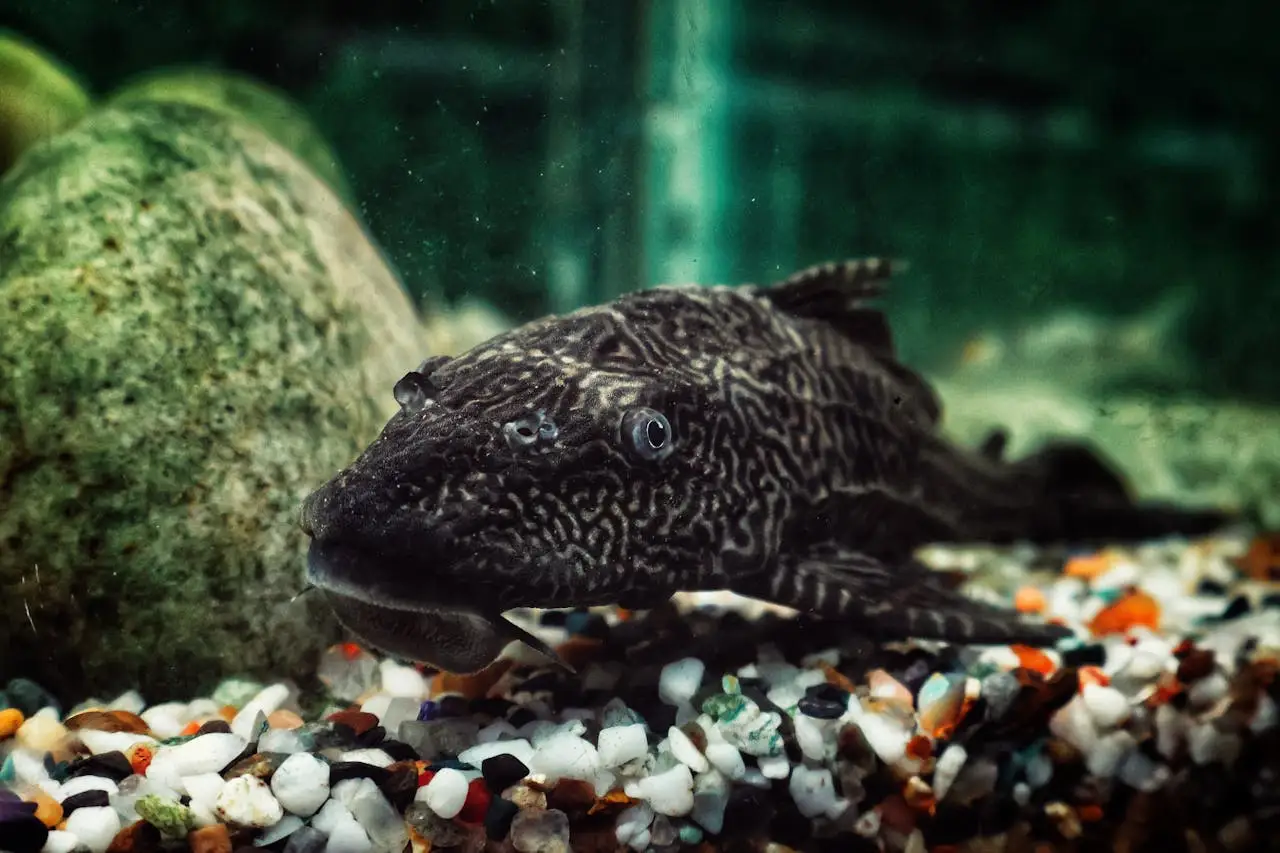
15 Best Algae Eaters for Your Aquarium: Fish and Invertebrates
Discover the best algae-eating fish and invertebrates for freshwater aquariums. Learn about plecos, otocinclus, Amano shrimp, nerite snails, and more species that keep tanks clean naturally.
Read Guide
How to Clean Your Aquarium After a Disease Outbreak
Step-by-step guide to cleaning and restoring your aquarium after a disease outbreak. Covers post-treatment water changes, filter care, disinfection methods, and disease-specific recovery protocols.
Read GuideInspiration & Fun
Beyond the basics — why fishkeeping is worth it, how to capture it, and what to gift a fellow hobbyist.
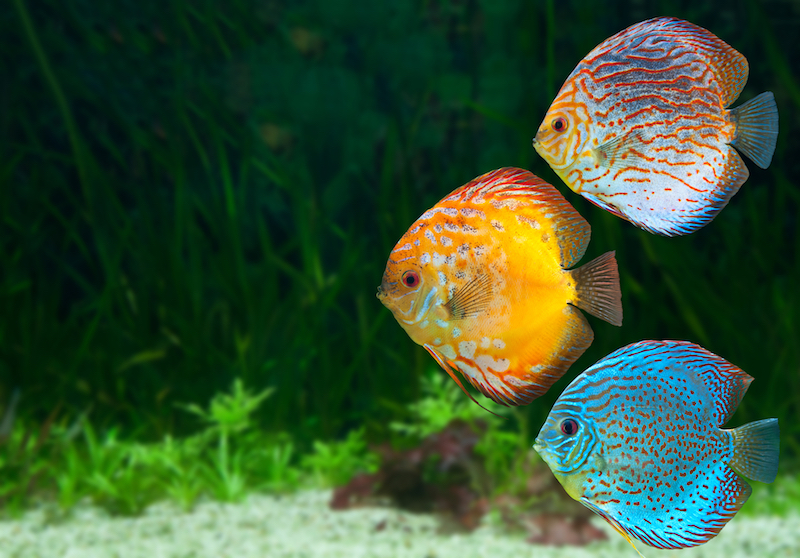
7 Benefits To Keeping An Aquarium (with Infographic)
Scientific research confirms aquariums reduce stress, lower blood pressure, and improve mental health. Discover 7 evidence-based benefits of fishkeeping for your home and wellbeing.
Read Guide
How To Take Stunning Images of Your Aquarium
Master aquarium photography with tips for smartphones, compact cameras, and DSLRs. Learn about aperture, shutter speed, ISO, and techniques to capture beautiful fish tank photos.
Read Guide
10 Gift Ideas for Aquarium Lovers (From $8 to $70)
Fun novelty gifts, tank photography gear, unique accessories, and serious hobby upgrades — 10 aquarium gift ideas for every budget.
Read GuideFrequently Asked Questions
Quick answers to common aquarium questions.
How long does it take to cycle a new aquarium?
What size aquarium should a beginner get?
How often should I clean my fish tank?
Why is my aquarium water cloudy?
Is a saltwater aquarium harder than freshwater?
Do I need a heater for my aquarium?
Related Resources
Explore more guides across Fish Tank World.
Fish Guides
Betta, goldfish, tetras, and more — care guides for popular species.
Equipment
Filters, heaters, lights, and tanks — reviews and buying guides.
Aquarium Plants
Live plant guides, low-tech setups, and planted tank inspiration.
Invertebrates
Shrimp, snails, and other invertebrates for your tank.