
Betta Fish Complete Care Guide
Whether you just brought home your first betta or you're looking to level up your care, you're in the right place.
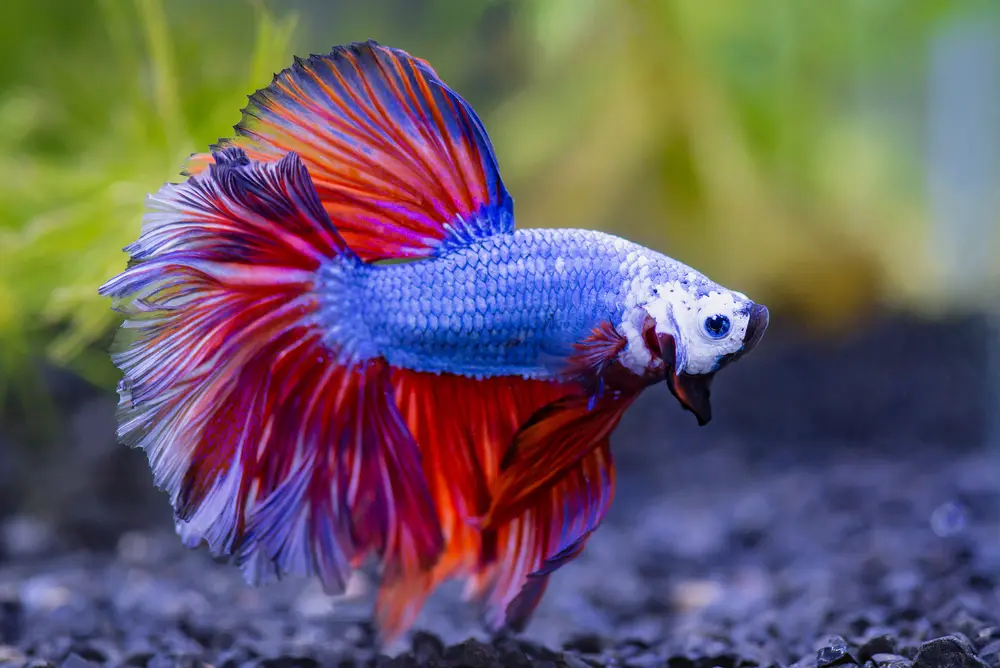
Betta Fish Care Guides
In-depth guides covering every aspect of betta keeping, organized by what you need right now.
Setup & Equipment
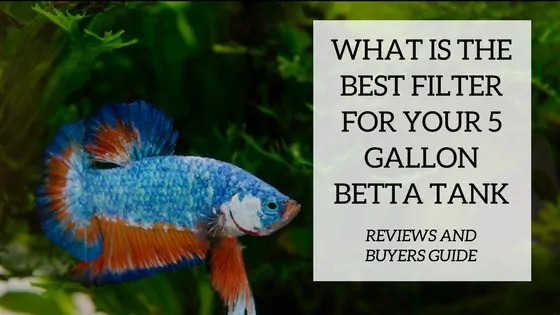
The Best Filter Options for a 5-Gallon Betta Fish Tank Compared
We compared sponge filters, HOB filters, and internal filters to find the best options for 5-gallon betta tanks. Detailed reviews with flow rates, filtration types, maintenance needs, and which bettas each filter suits best.
Read Guide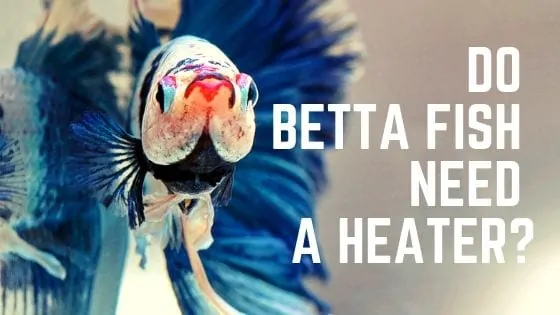
Do Betta Fish Need a Heater? Why Temperature Control Is Essential
Betta fish are tropical and need a heater to maintain 76-82°F. Learn why stable temperature matters, what happens without a heater, symptoms of cold stress, and how to choose the right heater for your betta tank.
Read Guide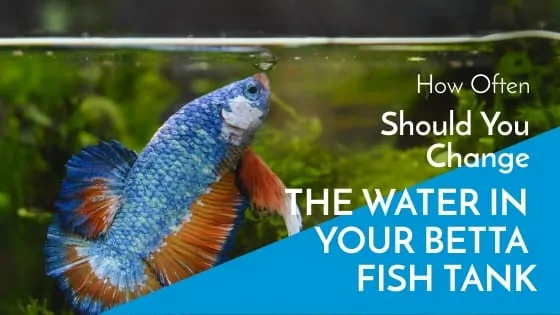
Betta Fish Water Changes: How Often, How Much, and the Right Way
Complete guide to betta fish water changes. Learn the correct frequency, volume, and step-by-step process for safe water changes that keep your betta healthy and stress-free.
Read GuideTank Life
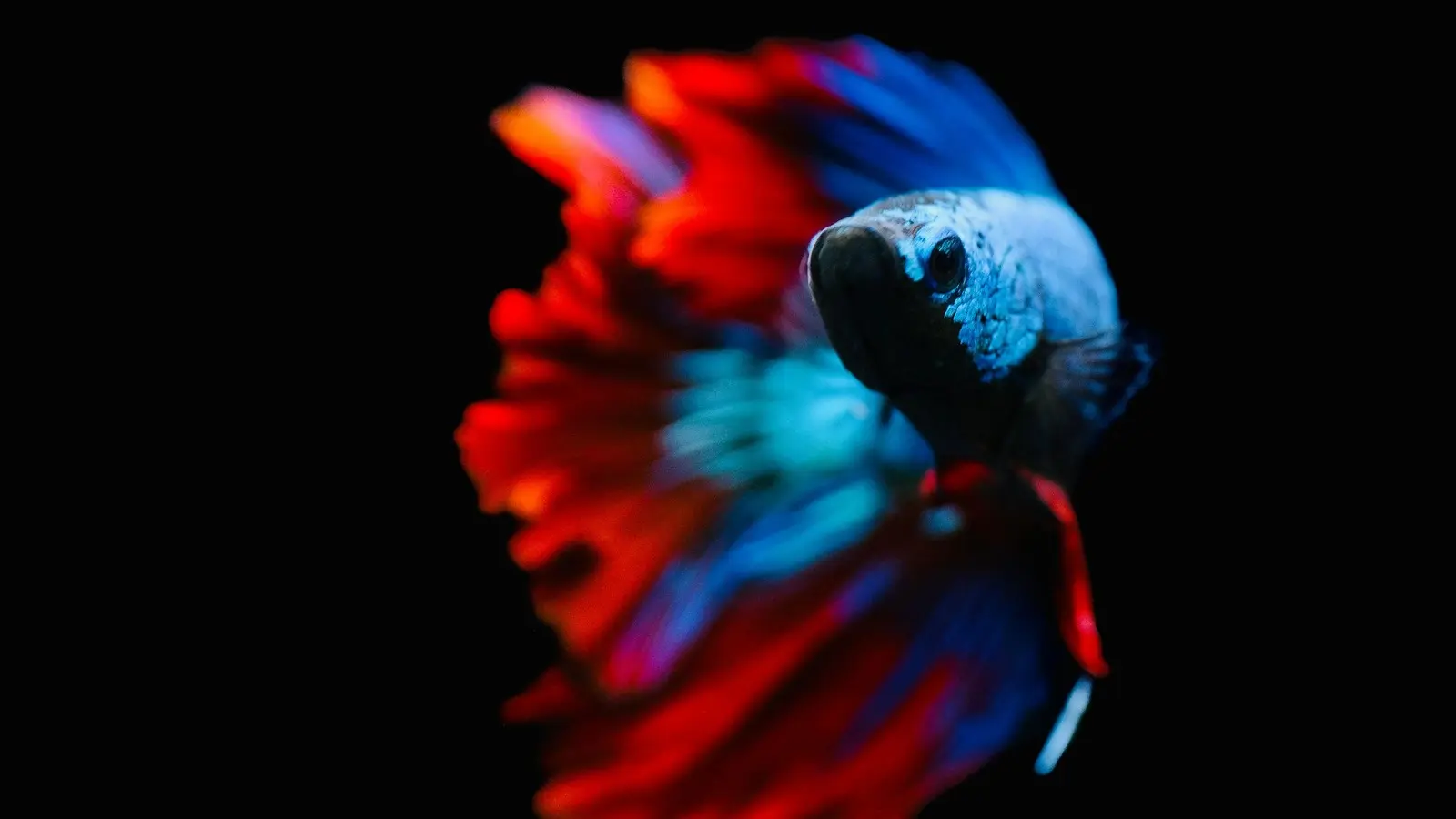
Betta Tank Mates: The 10 Best Companions for Your Betta Fish
The 10 best betta tank mates that actually work — from peaceful bottom-dwellers to snails and shrimp. Includes tank size requirements, species to avoid, and how to introduce new tank mates safely.
Read Guide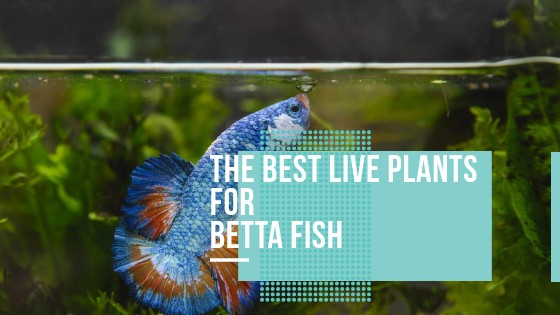
10 Best Easy Live Plants for Betta Tanks
Discover the best easy live plants for betta fish tanks. From Java Fern to Amazon Sword, learn which beginner-friendly plants bettas love and how to care for them.
Read GuideFeeding & Enrichment

Can Betta Fish Eat Human Food? What's Safe and What's Dangerous
Complete guide to feeding betta fish human food. Learn which foods are safe as occasional treats, which are dangerous, and what bettas should actually eat for a healthy diet.
Read Guide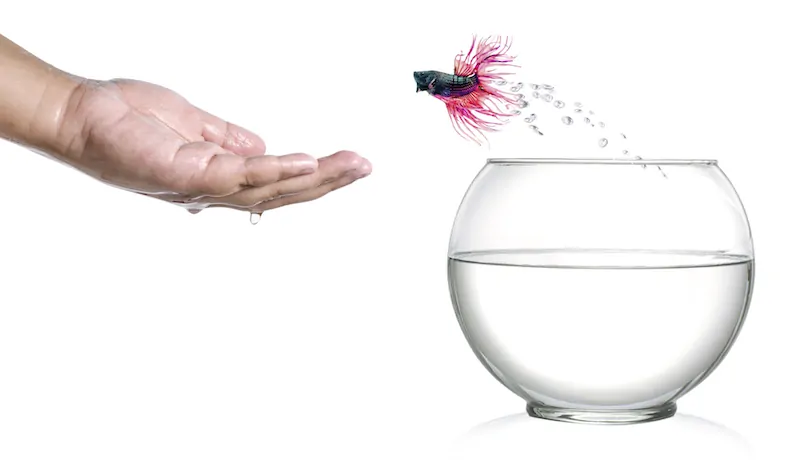
How to Train a Betta Fish: Yes, It Can Be Done!
Betta fish are intelligent and can learn tricks. Discover how to train your betta to follow your finger, jump for food, swim through hoops, and flare on command.
Read GuideLearn More About Bettas
Everything from species biology to health troubleshooting — expand any section to dive deeper.
Species Profile
About Betta Fish (Betta splendens)
The betta fish — known formally as Betta splendens and commonly called the Siamese fighting fish — is a freshwater species in the family Osphronemidae, native to the Mekong basin of Thailand, Cambodia, Laos, and Vietnam. In the wild, bettas inhabit shallow rice paddies, slow-moving streams, marshes, and seasonal floodplains where still, warm water and dense vegetation define their natural habitat. Their labyrinth organ — a specialized respiratory structure — allows them to breathe atmospheric air directly, an adaptation to the oxygen-poor waters they evolved in.
Despite this remarkable adaptation, bettas are not "easy" fish that thrive in neglect. The widespread myth that bettas can live in tiny bowls or vases has caused immense harm. In reality, betta fish require a cycled aquarium of at least 5 gallons, a heater maintaining 76-82°F (24-28°C), a gentle filter that doesn't create strong currents, and weekly water changes of 20-25% to maintain zero ammonia and zero nitrite. When these conditions are met, bettas reveal themselves as active, intelligent, and remarkably interactive aquarium fish that can live 3-5 years or longer.
Centuries of selective breeding in Thailand — where bettas were originally bred for fighting — have produced an extraordinary range of fin types and color patterns. Modern betta keeping focuses on displaying these fish in planted aquariums where they can exhibit their full behavioral repertoire: building bubble nests, patrolling territory, flaring their gill covers in display, recognizing their owners, and responding to stimuli with a curiosity unmatched by most aquarium fish. Bettas are one of the few fish species that can genuinely be described as having individual personalities.
Scientific Classification
- Kingdom
- Animalia
- Phylum
- Chordata
- Class
- Actinopterygii
- Order
- Anabantiformes
- Family
- Osphronemidae
- Genus
- Betta
- Species
- B. splendens
- Common Names
- Betta, Siamese Fighting Fish
- Native Range
- SE Asia (Mekong basin)
- Difficulty
- Beginner-Friendly
First described by Regan in 1910. Over 73 species in the genus Betta, with B. splendens being the most widely kept in aquariums.
Essential Care Requirements
The non-negotiable fundamentals every betta keeper needs to get right. Each of these directly impacts your betta's health, lifespan, and quality of life.
Tank Size
Minimum 5 gallons for a single betta. 10+ gallons if adding tank mates. Larger tanks are easier to maintain stable water chemistry and give your betta room to swim, explore, and establish territory. Bowls and vases are unsuitable.
Temperature
76-82°F (24-28°C) maintained by an adjustable aquarium heater. Bettas are tropical fish — room temperature water (68-72°F) causes metabolic slowdown, immune suppression, and susceptibility to disease. Stability matters as much as the target range.
Water Parameters
pH 6.5-7.5, ammonia 0 ppm, nitrite 0 ppm, nitrate under 20 ppm. A fully cycled nitrogen cycle is essential. Test weekly with a liquid test kit. Perform 20-25% water changes weekly using dechlorinated water matched to tank temperature.
Filtration
Gentle, low-flow filter required. Bettas have large fins and evolved in still water — strong currents cause stress and exhaustion. Sponge filters are ideal. HOB filters work if baffled to reduce flow. The filter maintains the nitrogen cycle that converts toxic ammonia to less harmful nitrate.
Diet & Feeding
Carnivorous — high-protein diet. Feed quality betta pellets as a staple, supplemented with frozen bloodworms, brine shrimp, and daphnia. Feed twice daily, 2-3 pellets per feeding (stomach is roughly eye-sized). Fast one day per week to prevent constipation and bloating.
Habitat & Decor
Live plants, hiding spots, and open swimming space. Java fern, anubias, and floating plants recreate their natural environment. Avoid sharp plastic decorations that can tear fins. Leave surface access clear — bettas must reach the surface to breathe through their labyrinth organ.
Common Health Issues
Most betta health problems stem from poor water quality, incorrect temperature, or overfeeding. Early detection and correction of environmental conditions resolves the majority of issues.
Fin Rot
Bacterial infection causing fraying, discoloration, and progressive deterioration of fins. The most common betta disease, almost always caused by poor water quality. Treatment: improve water conditions (0 ammonia, 0 nitrite), increase water change frequency. Severe cases may require aquarium salt or antibiotics (kanamycin, erythromycin).
Ich (White Spot Disease)
Parasitic infection (Ichthyophthirius multifiliis) presenting as white salt-like spots on the body and fins. Highly contagious but very treatable. Treatment: gradually raise temperature to 82-84°F to speed the parasite lifecycle, treat with ich medication, and maintain pristine water quality throughout.
Velvet (Gold Dust Disease)
Parasitic infection (Piscinoodinium) creating a fine gold or rust-colored dust on the skin, best seen with a flashlight at an angle. More dangerous than ich because it's harder to detect early. Treatment: darken the tank (the parasite photosynthesizes), raise temperature, treat with copper-based medication.
Swim Bladder Disorder
Buoyancy problems causing the betta to float sideways, sink, or struggle to maintain position in the water. Most commonly caused by overfeeding, constipation, or swallowing air while eating at the surface. Treatment: fast for 2-3 days, then feed a blanched, deshelled pea. Rarely indicates a permanent structural problem.
Columnaris
Bacterial infection (Flavobacterium columnare) producing white or grayish cotton-like growths, often on the mouth, fins, or gills. Frequently misidentified as a fungal infection. Progresses rapidly and can be fatal. Treatment: antibiotics (kanamycin + nitrofurazone), lower temperature slightly, and salt baths.
Dropsy
Not a disease itself but a symptom of organ failure — characterized by extreme bloating and raised scales giving a "pinecone" appearance. By the time dropsy is visible, internal damage is often severe. Caused by bacterial infection, usually secondary to chronic stress or poor conditions. Prognosis is poor, but early treatment with Epsom salt baths and antibiotics occasionally succeeds.
Behavior & Habitat
Betta Behavior & Intelligence
Bettas are among the most intelligent freshwater aquarium fish. They recognize their owners and will often swim to the front of the tank when approached by familiar people — a behavior not commonly seen in other small tropical fish. This owner recognition develops within the first few weeks of consistent interaction.
In the wild, male bettas are territorial but not mindlessly aggressive. Their famous flaring display — spreading gill covers (opercula) and fins to appear larger — is a ritualized threat display designed to resolve disputes without physical contact. Most territorial encounters between wild bettas end with the smaller male retreating. Physical fights are a last resort and are rarely fatal in nature, where the loser can escape.
Bettas exhibit bubble nesting behavior even without a mate present. Males blow clusters of mucus-coated air bubbles at the water surface, which in nature would protect eggs. A bubble nest is often cited as a sign of a "happy" betta, though healthy bettas don't always build them. Environmental conditions — especially calm surface water and warm temperature — trigger nest building more than mood does.
Their intelligence makes bettas excellent candidates for training and enrichment. They can learn to follow a finger, swim through hoops, jump for food, and flare on command using basic positive reinforcement with food rewards.
Natural Habitat & Origin
Betta splendens is native to the Mekong River basin in Southeast Asia, with the highest population density in central Thailand (formerly Siam — hence "Siamese fighting fish"). They also occur naturally in Cambodia, Laos, Vietnam, and Malaysia, though some populations may result from introductions.
Their natural habitats are shallow, warm, slow-moving or still bodies of water: rice paddies, drainage ditches, floodplain pools, and the vegetated margins of ponds and streams. These environments are characterized by dense aquatic vegetation, soft acidic to neutral water (pH 6.0-7.5), warm temperatures (76-86°F year-round), and relatively low dissolved oxygen.
The labyrinth organ — a folded respiratory organ located behind the gills — evolved as an adaptation to these oxygen-depleted waters. It allows bettas to extract oxygen directly from air gulped at the surface, supplementing their gill respiration. This is why bettas periodically dart to the surface even in well-aerated tanks — it's an obligate behavior, not a sign of distress. Blocking surface access is dangerous.
Wild bettas look dramatically different from their domesticated counterparts: shorter fins, duller coloration (usually brown, green, or muted red), and a slimmer body profile. The vibrant colors and elaborate fins seen in pet stores are entirely the result of hundreds of years of selective breeding, originally for fighting contests in Thailand and later for ornamental display.
Betta Fish Varieties & Tail Types
Centuries of selective breeding have produced dozens of recognized betta tail types and color patterns.
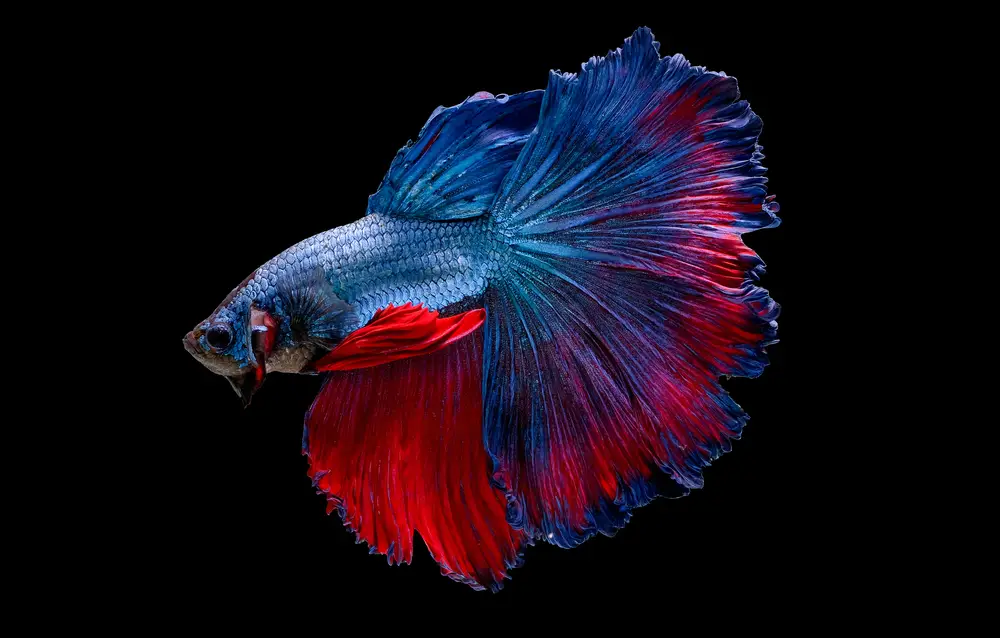
Halfmoon
Named for their 180-degree tail spread when fully flared. The most sought-after show betta variety. Large, flowing fins require gentle water flow and smooth tank decor to prevent tearing.
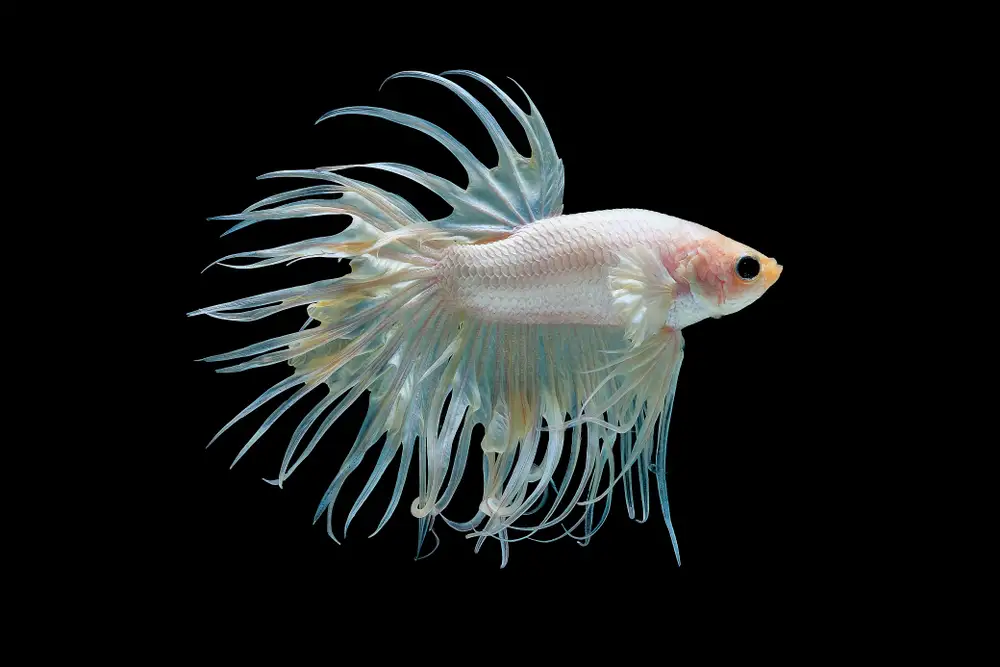
Crowntail
Distinctive spiky appearance created by extended fin rays with reduced webbing between them. More susceptible to fin rot due to the extended ray structure.
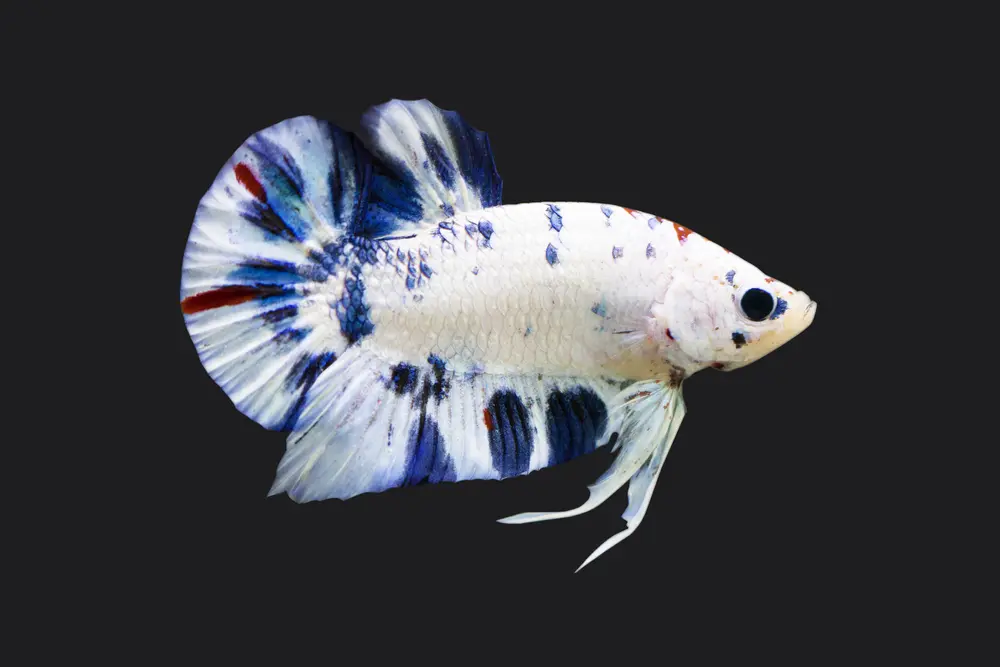
Plakat (Short-Fin)
Closest to wild betta appearance with short, compact fins. More active swimmers than long-finned varieties. Hardy, less prone to fin damage, and generally more aggressive.
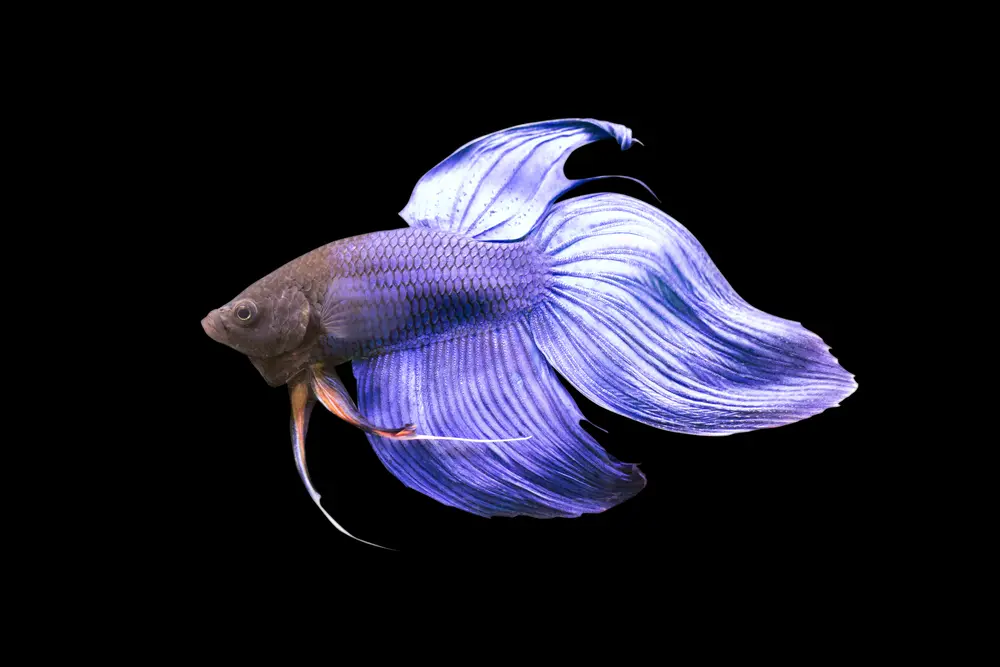
Veiltail
The most common variety found in pet stores. Long, flowing tail that drapes downward. Hardy, affordable, and makes an excellent first betta.
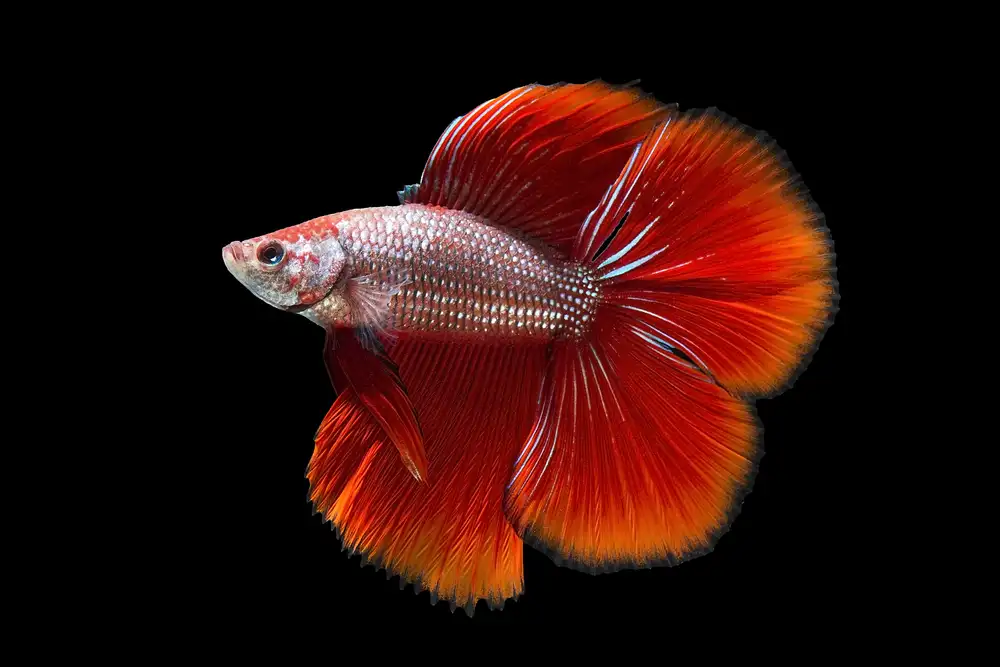
Double Tail
Genetically distinct variety with two separate caudal (tail) fins and an enlarged dorsal fin. More prone to swim bladder issues due to their shorter body shape.
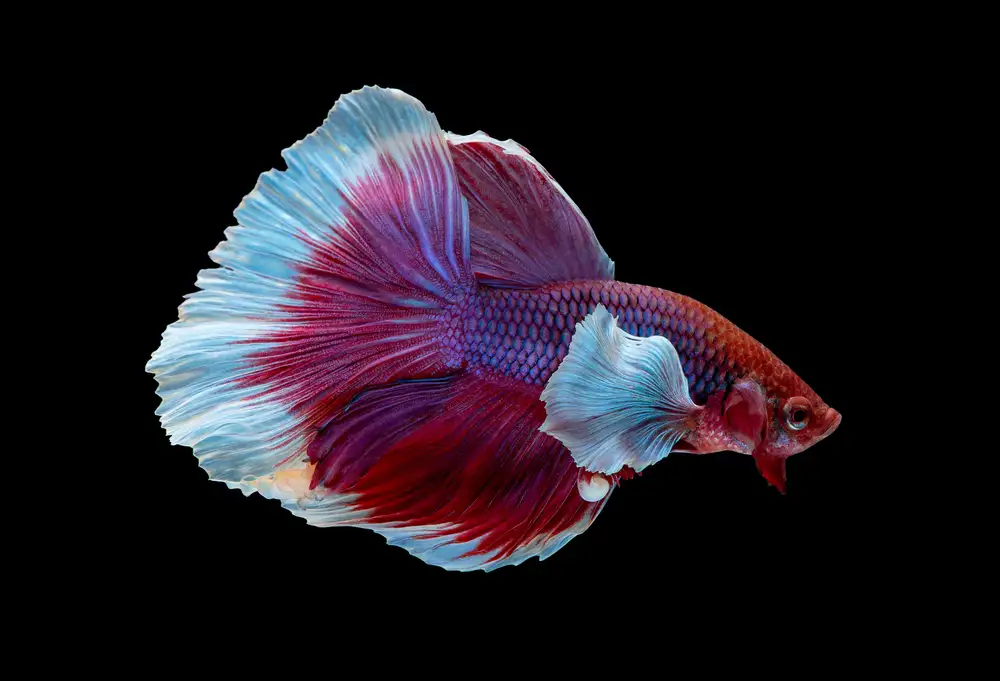
Elephant Ear (Dumbo)
Named for their dramatically enlarged pectoral fins that resemble elephant ears. These oversized fins create a unique, fluttering swimming style.
Color Patterns
Bettas come in virtually every color — solid red, blue, black, white, yellow, and green. Popular multi-color patterns include Marble (irregular patches that shift over time), Butterfly (body color transitioning to white on fin edges), Galaxy/Koi (multi-colored splotches), Dragon Scale (thick metallic scaling), Bi-color (two distinct body/fin colors), and Grizzle (salt-and-pepper mix).
Frequently Asked Questions About Betta Fish
Quick answers to the most common betta fish care questions.
Can betta fish live in a bowl?
How long do betta fish live?
Can two betta fish live together?
Do betta fish need a heater?
Do betta fish need a filter?
What do betta fish eat?
Why is my betta fish not eating?
Are betta fish good for beginners?
Related Resources
Explore related topics across Fish Tank World to level up your betta keeping.
Aquarium Equipment
Filters, heaters, tanks, and accessories for any freshwater setup.
Aquarium Care
Water quality, tank setup, maintenance, and troubleshooting.
Goldfish
The other beginner favorite — care, varieties, and common myths.
Shrimp
Cherry shrimp, ghost shrimp, and other potential betta tank mates.