Aquarium Setup Start Your Tank the Right Way
Choosing the right tank, cycling the water, and adding your first fish. These guides cover every step of setting up a freshwater or saltwater aquarium.
The most common mistake in fishkeeping happens before the first fish ever enters the tank: skipping the nitrogen cycle. A new aquarium looks ready the moment it's filled with water, but the biological filtration that keeps fish alive — colonies of bacteria that convert toxic ammonia into less harmful nitrate — takes 4-8 weeks to establish. Rushing this step is the single biggest cause of fish death in new tanks.
Beyond cycling, a successful setup comes down to choosing the right tank size (bigger is easier, not harder), placing it in a stable location away from sunlight and temperature swings, and installing equipment that matches your goals. The guides below walk through every decision in order — whether you're starting a 10-gallon planted tank or a 75-gallon saltwater reef.
Essential Equipment for a New Aquarium
Get these six things right and you'll avoid the most common beginner problems.
Tank
20 gallons minimum for beginners. Larger volumes are more chemically stable and more forgiving of mistakes. A 20-gallon long offers great surface area for gas exchange and room for a community.
Filter
Rated for your tank size or larger. The filter houses most of your beneficial bacteria. A hang-on-back (HOB) filter is the easiest beginner choice. Never replace all media at once — you'll crash your cycle.
Heater
Adjustable, ~5 watts per gallon. Required for tropical fish (bettas, tetras, corydoras). Room temperature is too cold and too variable. An adjustable heater lets you dial in the exact temperature your species needs.
Water Test Kit
Liquid test kit, not strips. You need to measure ammonia, nitrite, nitrate, and pH. The API Master Test Kit is the standard. Test daily while cycling, weekly once established. You can't manage what you can't measure.
Water Conditioner
Dechlorinator for every water change. Tap water contains chlorine and chloramine that kill beneficial bacteria. Add conditioner to new water before it enters the tank — every single time, no exceptions.
Lighting
LED on a timer, 8-10 hours daily. Consistent photoperiod matters more than intensity for most setups. Growing live plants? Get a light rated for plant growth. Too much light without enough plants fuels algae.
Freshwater Setup
The best starting point for most fishkeepers. Lower cost, simpler equipment, and a wide selection of hardy, colorful species.
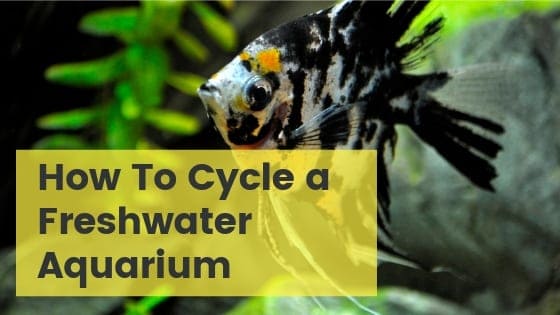
How to Cycle a Freshwater Aquarium: Complete Step-by-Step Guide
Learn how to properly cycle a freshwater aquarium before adding fish. Step-by-step fishless cycling guide covering the nitrogen cycle, ammonia dosing, water testing, and when your tank is ready for fish.
Read Guide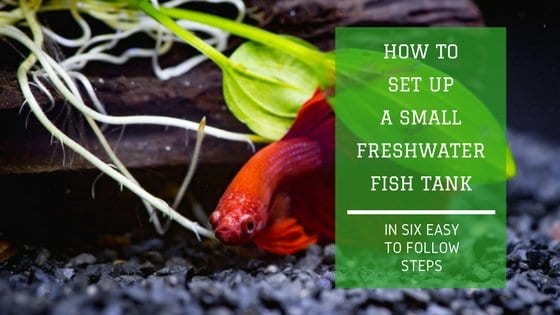
How to Set Up a Small Freshwater Fish Tank
Easy six-step guide to setting up a small freshwater aquarium. Learn proper placement, equipment selection, cycling, fish stocking, and maintenance for a thriving nano tank.
Read Guide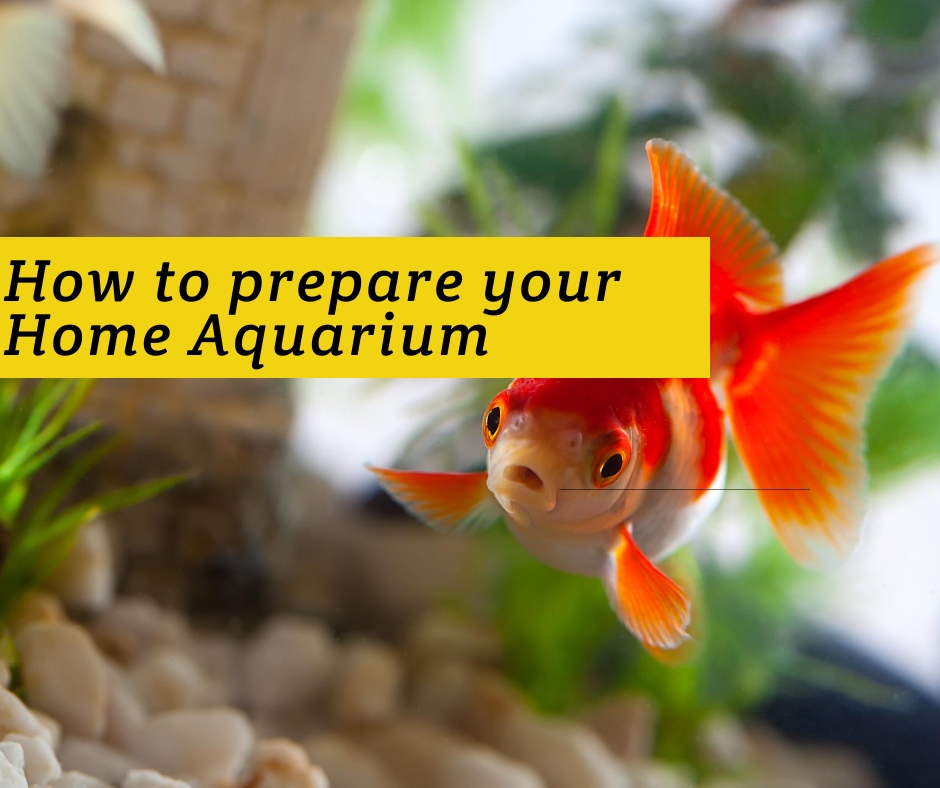
How to Prepare an Aquarium for New Fish
Complete guide to preparing your aquarium before adding fish. Learn how to set up substrate, decorations, equipment, and condition water for a healthy environment.
Read Guide

Saltwater Setup
More equipment and tighter parameters, but access to coral reefs, anemones, and marine fish that freshwater can't replicate.
Starting a Saltwater Aquarium for Beginners: A Comprehensive Guide
Complete beginner's guide to starting a saltwater aquarium. Learn the 9 essential stages from tank setup and cycling to choosing healthy fish, plus how to avoid common problems.
Read Guide
Cycling a Saltwater Tank with Live Rock: Complete Step-by-Step Guide
Learn how to properly cycle a saltwater tank using live rock. This comprehensive guide covers the nitrogen cycle, 8 essential steps for FOWLR setup, and ongoing maintenance schedules for a thriving marine aquarium.
Read Guide Cycling a Saltwater Tank with Live Rock: Complete Step-by-Step Guide
Learn how to properly cycle a saltwater tank using live rock. This comprehensive guide covers the nitrogen cycle, 8 essential steps for FOWLR setup, and ongoing maintenance schedules for a thriving marine aquarium.
Read GuideSetup Fundamentals
The core concepts behind a successful aquarium setup. Expand any section to learn more.
The Nitrogen Cycle
Before your tank is safe for fish, beneficial bacteria must colonize your filter and surfaces. These bacteria convert toxic ammonia (from fish waste) into nitrite, then into relatively harmless nitrate. This process — the nitrogen cycle — takes 4-8 weeks to establish and is the single most important step in setting up an aquarium.
Fish waste and decay produce ammonia. Target: 0 ppm at all times.
Bacteria convert ammonia to nitrite. Target: 0 ppm.
Bacteria convert nitrite to nitrate. Keep below 40 ppm with water changes.
Our freshwater cycling guide and saltwater cycling guide walk through the full process step by step.
Choosing the Right Tank Size
Bigger is easier, not harder. Larger water volumes are more chemically stable and more forgiving of mistakes. Tank dimensions matter too — a wide, shallow tank supports more fish than a tall, narrow one with the same volume because of greater surface area for gas exchange.
20" x 10" x 12" · ~110 lbs filled
Suitable for a single betta or a nano shrimp colony. Limited stocking options.
30" x 12" x 12" · ~225 lbs filled
The ideal beginner tank. Stable, versatile, fits a diverse community.
36" x 18" x 16" · ~450 lbs filled
Room for larger species, more aquascaping depth, very stable parameters.
48" x 13" x 21" · ~625 lbs filled
Required for larger cichlids, angelfish groups, or saltwater FOWLR setups.
For the full comparison, see our fish tank size guide.
Freshwater vs. Saltwater: Which Should You Start With?
Both have the same core principle — establish the nitrogen cycle, maintain stable water parameters, don't overstock — but they differ significantly in cost, equipment complexity, and margin for error.
Freshwater
- +Startup cost: $200-500
- +Equipment: filter, heater, light, test kit
- +Wider margin for parameter fluctuations
- +Hardy beginner species available
- +Live plants provide natural filtration
Saltwater
- +Marine fish, coral, and anemones
- +Live rock creates natural filtration
- -Startup cost: $500-2,000+
- -Tighter parameter tolerances
- -More equipment (skimmer, powerheads, RODI, salt)
For most beginners, freshwater is the right starting point. Our saltwater beginner's guide covers what changes when you're ready for marine.
Frequently Asked Questions
Quick answers to common aquarium setup questions.
How long does it take to set up an aquarium?
What size tank should a beginner get?
Can I set up a fish tank without a filter?
Where should I put my fish tank?
Do I need live plants in my aquarium?
Is it cheaper to buy a tank kit or buy equipment separately?
Should I start with freshwater or saltwater?
Once Your Tank Is Running
Set up complete? These guides cover what comes next.
Tank Maintenance
Water changes, filter care, pH management, and long-term cleaning routines.
Common Problems
Cloudy water, algae blooms, disease outbreaks — diagnose and fix tank issues.
Fish Guides
Care guides for bettas, goldfish, tetras, and more — find the right fish for your setup.