
Choosing the right fish tank size is a decision that impacts a lot more than you think. It determines the water quality you can maintain, how much maintenance is required, where you can place the tank in your home or office, and ultimately which fish you can keep. Getting this decision right from the start saves you time, money, and heartache down the road.
If you are a beginner, the best approach is to understand what goes into the decision. There are two main approaches — starting with size or starting with the fish you want to keep — and both have their merits.
Size or Stocking: What Comes First?
There are two schools of thought when it comes to choosing your first aquarium. Some aquarists start with the tank size, and then choose the fish to match. Others pick the fish they want first, and then figure out the tank they need. Both approaches are valid, but each comes with its own set of considerations.
Starting With Size
If you decide to buy with size in mind first, the species you keep will be chosen afterward. This is the simpler approach for beginners.
Our recommendation: try going with a 20 gallon or more if possible. Anything under 10 gallons will require more water maintenance and is harder to sustain over time. A larger tank is more forgiving of beginner mistakes and gives you more stocking options down the road.
Of course, a larger tank means costlier accessories and filters, but healthy water means longer-lived fish. If you are looking for specific tank recommendations, check out our reviews of 20 gallon fish tanks and 10 gallon starter kits.
Starting With Stocking
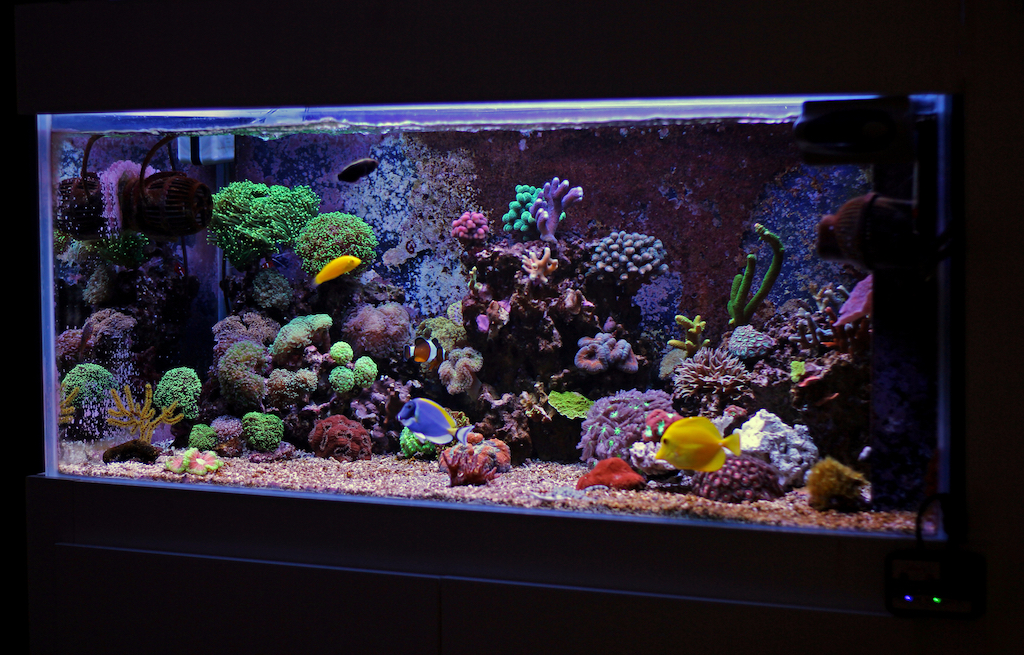
Researching the adult size of each species prevents overstocking problems down the road.
If you already have fish species in mind, your tank size is determined by a stocking calculation. The most common rule is that the tank needs as many gallons as it has inches of fish at their adult size. This is a rough guideline, but it provides a useful starting point.
Golden Rule of Stocking
When in doubt, understock. Overstocking is one of the most common fishkeeping mistakes and leads to poor water quality, stress, disease, and shortened lifespans.
A common misconception is that fish will only grow to the size of the tank. This is not true. Fish that are prevented from reaching their natural size suffer from stunted growth, which is harmful to their health and welfare. Always research the full adult size of any species you plan to keep.
Different sources recommend different minimum starting sizes. Some suggest 29 gallons for a family hobby tank, others recommend 55 gallons as a good starting point. For larger species like piranhas or large cichlids, a minimum of 40 gallons is essential. The point is: research each fish for its adult size and compatibility requirements before you buy.
An overstocked aquarium is like a subway during rush hours — everything is stressed, uncomfortable, and things go wrong fast. Some fish are aggressive, others are shy, and incompatible pairings cause stress that leads to disease. Give your fish room to thrive.
Tank Shape
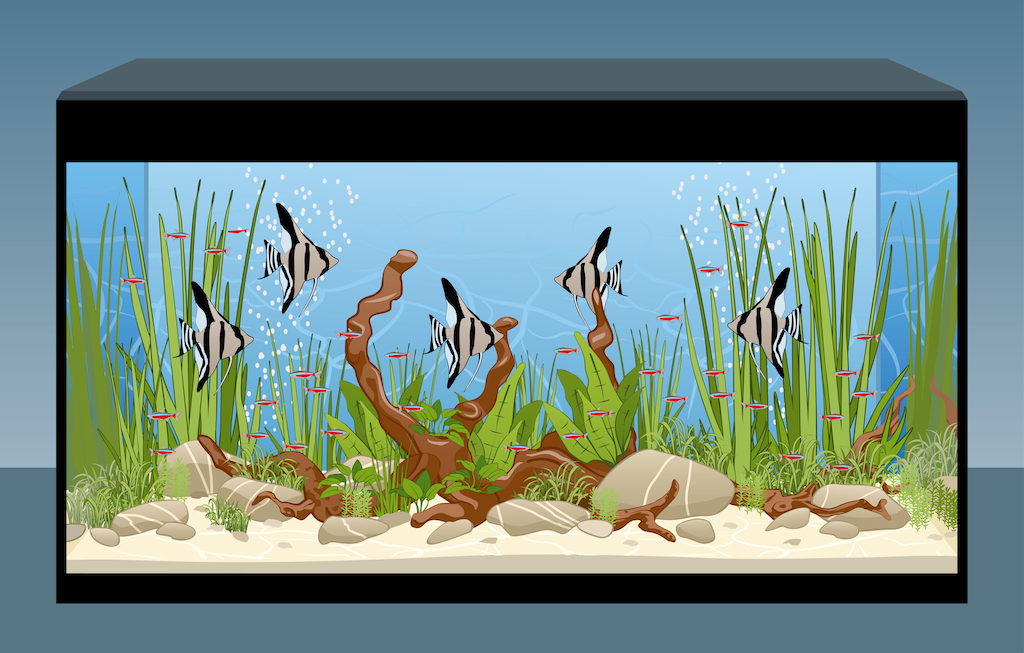
Tank shape affects which fish species you can comfortably keep.
Tank shape affects fish selection more than many beginners realize. Height and length influence which species will be comfortable — some fish are bottom dwellers that need floor space, while others prefer mid-level or top swimming areas. Tank shapes range from standard rectangles to bow front designs and even round spheres.
For beginners, a standard rectangular tank offers the most versatile shape and is compatible with the widest range of fish species.
Where Shall I Put It?
Once you have an idea of the tank size you want, you need to figure out where you will place your tank in your home or office. There are three main considerations to keep in mind.
Ambient Temperature
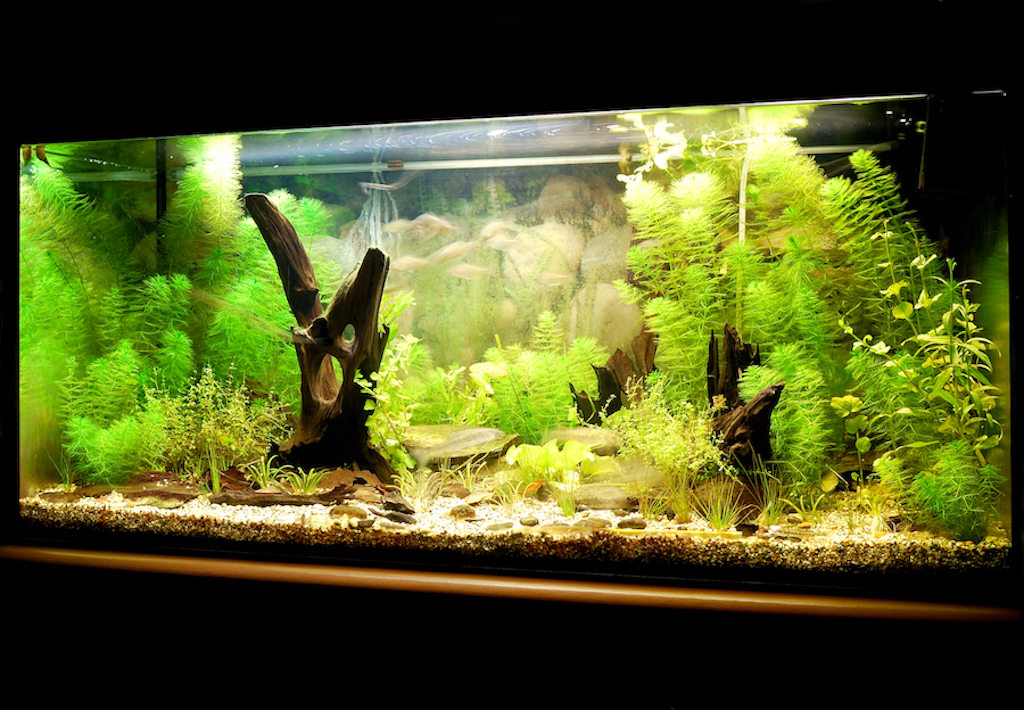
Keep your aquarium away from windows, vents, and direct sunlight for stable water temperature.
Fish are sensitive to temperature fluctuations. Putting an aquarium near a window is the absolute worst place for it — direct sunlight causes water temperature to swing unpredictably and promotes unwanted algae growth. Keep the tank away from heating vents, air conditioning, and other sources of temperature change.
You will also want to leave space around the tank for maintenance access. Being able to reach behind and around the aquarium makes water changes and equipment servicing much easier. For more on temperature management, see our guide to aquarium heaters.
Position of Available Power Outlets
Your filter, heater, and lights all need power. Plan the tank placement so that equipment cords can reach outlets safely. Extension cords are acceptable but must be tucked away to prevent tripping hazards or the risk of tipping the tank.
Overall Safety of the Tank
Avoid placing your aquarium in high-traffic areas where it could get bumped. Weight is a critical factor that many beginners underestimate — water weighs approximately 3.78 pounds per gallon. A 90-gallon setup with substrate, rocks, and decorations is extremely heavy.
Once a tank is filled and set up, moving it is impractical. Some aquarists recommend placing larger aquariums in the basement where floor support is strongest. At a minimum, make sure you use a proper aquarium stand that is rated for your tank’s weight.
What Is My Budget?
Tank size has a direct impact on your overall budget. A larger tank means a bigger filter, more substrate, more plants, and potentially more expensive fish. For beginners on a budget, starter kits are an excellent way to save money. These kits bundle the tank, filter, heater, and lights into a single package at a lower price than buying everything separately.
Check out our reviews of 10 gallon starter kits and all-in-one saltwater kits for some good options. Aquarium keeping is an expensive hobby, but so very rewarding.
The Bigger the Better
Many beginners worry: if I get a large aquarium at the very start, will it be too hard to manage?
The popular saying among experienced aquarists is “the bigger the better,” and this is absolutely true within certain limits. Here is why: maintenance is required regardless of tank size. The most important factor for fish health is healthy water — stable temperature, pH, and ammonia levels.
Why Bigger Tanks Are Easier
The smaller the tank, the more difficult it is to keep water chemistry and temperature stable. Small tanks degrade faster, requiring more frequent water changes. Those water changes stress fish and disrupt the biological balance you are trying to maintain. More water, more stability.
A 5-gallon tank can swing from safe to dangerous ammonia levels overnight after a single overfeeding. A 40-gallon tank has a much larger buffer against the same mistake. This is why nearly every experienced fishkeeper will tell you to go as big as your budget and space allow.
Conclusions
The bottom line: bigger is better. Buy the largest fish tank you can afford that fits your available space. If you are starting with size first, stock accordingly afterward — and always understock rather than overstock. If you are starting with specific fish in mind, calculate carefully and give your fish more room than you think they need.
Key Takeaways
- Start with at least a 20-gallon tank if possible
- Bigger tanks are easier to maintain — more water means more stability
- Always research the adult size of any fish species before buying
- When in doubt, understock your aquarium
- Choose a safe, stable location away from windows and heat sources
- Starter kits offer the best value for beginners on a budget
Remember, you are dealing with living creatures. Minimize the risk of injury or harm to your fish by giving them the right environment from the start.
What size fish tank should a beginner get?
We recommend starting with at least a 20-gallon tank. Anything under 10 gallons requires more frequent water maintenance and is harder to keep stable. A 20-gallon tank gives you more room for error with water chemistry and more options for fish species.
Is a bigger fish tank easier to maintain?
Yes. Larger tanks have more water volume, which means water chemistry and temperature stay more stable. Smaller tanks degrade faster, requiring more frequent water changes that stress fish and disrupt the biological balance. More water means more stability.
How many fish can I put in my tank?
A common starting rule is one gallon per inch of adult fish. However, this is a rough guideline — always research each species for its specific space and compatibility needs. When in doubt, understock your aquarium rather than overstock it.
Does tank shape matter for fish?
Yes. Tank shape affects which species you can keep. Some fish are bottom dwellers that need floor space, while others need vertical room or open swimming length. A standard rectangular tank offers the most versatile shape for beginners.
Found this helpful?
Share this guide with your fellow aquarium enthusiasts!
Written by
FTW Team
The FishTankWorld editorial team brings together experienced aquarists to help you succeed in the hobby.