
The hygger Inline UV Light is the best aquarium UV sterilizer for most fishkeepers. With the highest customer rating in our lineup (4.5 stars), a fully sealed housing that eliminates UV exposure risk, and three sizes covering tanks from 10 to 100 gallons, it delivers the best combination of safety, effectiveness, and value. It connects to your canister filter or sump, keeping the display tank free of extra equipment.
If you don’t run a canister filter and want a simple drop-in solution, the TARARIUM Filter UV combines a sponge filter with UV sterilization in a single submersible unit, with six sizes covering tanks up to 300 gallons.
Quick Comparison
Best UV Sterilizers at a Glance
| Type | Inline | Submersible | Submersible | Submersible | Inline |
| Tank Range | 10–100 gal | 10–300 gal | 5–40 gal | Up to 75 gal | Up to 100 gal |
| Sizes Available | 3 (5W/7W/9W) | 6 | 2 (3W/5W) | 1 | 1 |
| Built-in Pump | — | — | — | ||
| Timer | — | — | — | ||
| Best For | Canister filter setups | All-in-one filtration | Small tanks | Simple plug-and-play | Premium canister setups |
| Check Price | Check Price | Check Price | Check Price | Check Price |
View specs
- Type
- Inline
- Tank Range
- 10–100 gal
- Sizes Available
- 3 (5W/7W/9W)
- Built-in Pump
- —
- Timer
- Best For
- Canister filter setups
View specs
- Type
- Submersible
- Tank Range
- 10–300 gal
- Sizes Available
- 6
- Built-in Pump
- Timer
- —
- Best For
- All-in-one filtration
View specs
- Type
- Submersible
- Tank Range
- 5–40 gal
- Sizes Available
- 2 (3W/5W)
- Built-in Pump
- —
- Timer
- Best For
- Small tanks
View specs
- Type
- Submersible
- Tank Range
- Up to 75 gal
- Sizes Available
- 1
- Built-in Pump
- Timer
- —
- Best For
- Simple plug-and-play
View specs
- Type
- Inline
- Tank Range
- Up to 100 gal
- Sizes Available
- 1
- Built-in Pump
- —
- Timer
- —
- Best For
- Premium canister setups
Submersible vs. Inline: Which Type Do You Need?
Before diving into individual reviews, understanding the two main types helps narrow your search immediately.
Submersible (in-tank) units sit inside your aquarium or sump. They’re plug-and-play — attach suction cups, plug in, done. The trade-off is visible equipment in your display tank and ensuring the protective shield stays properly in place.
Inline units connect between your canister filter (or sump pump) and the tank return. Water flows through the UV chamber as part of normal filtration. Nothing extra sits in the display, but you need a compatible hose system.
Quick Decision Guide
Running a canister filter? Go inline — the hygger Inline UV or Fluval UVC connects right to your existing hose lines. No canister filter? A submersible unit like the TARARIUM or hygger Mini drops right into the tank with no plumbing required.
Detailed Reviews
1. Editor’s Choice: hygger Inline UV Light
hygger Aquarium UV Light (Inline)
- 254nm wavelength for effective pathogen and algae elimination
- Fully sealed housing — zero UV light escape protects fish and hands
- 4-mode timer (3H/6H/12H/24H) with memory function
- Available in 5W, 7W, and 9W for tanks 10–100 gallons
- Includes hose connectors for 13mm, 16mm, and 19mm tubing
- Viewing window to confirm lamp is operating
Why we recommend it: The highest-rated UV sterilizer in our lineup at 4.5 stars, with a fully enclosed housing that eliminates any risk of UV exposure to fish or your hands. Three size options and universal hose connectors make it compatible with virtually any canister filter or sump system.
The hygger Inline UV stands apart from submersible options in one critical way: the UV light is completely sealed inside a plastic housing with no way for it to reach your fish or your skin. A viewing window lets you confirm the lamp is running without opening anything.
It connects between your canister filter output and your tank return line via standard hose fittings — 13mm, 16mm, and 19mm adapters are all included. Water circulates through the UV chamber as part of your normal filtration loop, so there’s nothing extra sitting in the display tank.
The built-in timer with memory is a genuine convenience. Set it to 3, 6, 12, or 24 hours and it cycles automatically. During an active green water outbreak, run it on 24H mode for 3–7 days, then drop to 3H daily for maintenance.
Choosing your size:
- 5W (~$24) — 10–40 gallon tanks
- 7W (~$34) — 30–70 gallon tanks (best all-around pick)
- 9W (~$37) — 60–100 gallon tanks
What Customers Say
- Clears green water within 3–7 days consistently
- Sealed housing gives peace of mind around fish and children
- Timer eliminates the need to manually switch on and off
- Easy to install on existing canister filter hose lines
Watch Out For
- Requires a canister filter, sump, or external pump — not a standalone unit
- Must be connected to hoses — do not place directly in the tank (especially the 5W)
- Replacement bulbs (HG250 model) sold separately
Important
This is NOT a drop-in submersible unit. It must be plumbed into a hose line connected to a filter, sump, or water pump. If you don’t run external filtration, choose one of the submersible options below.
2. Best Value: TARARIUM Filter UV
TARARIUM Aquarium Filter UV
- Double filtration: biochemical sponge filter + 254nm UV light
- Separate switches for pump and UV — run filtration independently
- Six sizes covering tanks from 10 to 300 gallons
- Submersible with suction cup mounting
- Indicator window to confirm UV is operating
- Reduces green water and unpleasant tank odor
Why we recommend it: The only unit in our lineup that combines mechanical/biological sponge filtration with UV sterilization in one device. Six size options mean there's a model for virtually any tank, and separate switches let you run just the filter when UV isn't needed.
The TARARIUM does double duty: a biochemical sponge filter handles particulate and biological filtration while the 254nm UV light kills free-floating pathogens and algae. For tanks that don’t already have robust filtration, getting both in a single submersible unit is excellent value.
The separate power switches are a thoughtful touch. You can run the pump for filtration around the clock while toggling the UV light on only when needed — during green water outbreaks or disease prevention periods. This also extends UV bulb life.
With six sizes, the TARARIUM covers the widest tank range of any product here:
Choosing your size:
- 10–45 gallon (~$33) — Nano and small community tanks
- 20–75 gallon (~$37) — Most common freshwater setups (best starting point)
- 45–120 gallon (~$45) — Medium community and cichlid tanks
- 40–150 gallon (~$50) — Larger freshwater or smaller saltwater setups
- 55–200 gallon (~$58) — Large tanks and sumps
- 75–300 gallon (~$65) — XL tanks, turtle setups, and ponds
What Customers Say
- Maintains clear water quality over extended periods
- Effectively removes algae — particularly popular for turtle tanks
- Combined filter and UV eliminates the need for separate equipment
- Easy to check UV operation from external indicator
Watch Out For
- Some users report UV light stops working within a few months
- Filter housing has been reported to break within 4 months by some buyers
- Mixed noise reviews — some find it quiet, others find it too loud
- No timer — you'll need a separate outlet timer for scheduled operation
3. Budget Pick: hygger Mini UV Light
hygger Mini UV Light with Timer
- 254nm wavelength UV for green water and algae elimination
- 360° protective shield keeps UV contained in the display tank
- 4-mode timer (3H/6H/12H/24H) with memory function
- Two modes: shielded (in-tank) and unshielded (in filter compartment)
- Available in 3W and 5W for tanks 5–40 gallons
- Compact size fits nano and small tanks
Why we recommend it: The most affordable entry point to UV sterilization, starting under $27. The dual-mode design — shielded for display tanks, unshielded for filter compartments — and built-in timer make it surprisingly capable for a budget option.
The hygger Mini is the simplest and cheapest way to add UV sterilization to a small tank. It mounts with suction cups directly in the aquarium and uses a 360° protective shield to contain the UV light around fish.
The dual-mode design is clever: with the protective shield closed (“Healthy Mode”), you place it directly in the display tank. With the shield open (“High Efficiency Mode”), you place it inside a filter compartment or sump where direct UV exposure isn’t a concern — and you get stronger sterilization since the shield isn’t blocking UV output.
Choosing your size:
- 3W (~$27) — 5–25 gallon tanks
- 5W (~$33) — 13–40 gallon tanks
What Customers Say
- Effective at clearing green water algae within days
- Crystal clear water results
- Small size makes it unobtrusive in the tank
- Good value for money
Watch Out For
- No built-in pump — relies on ambient water circulation or filter flow
- Limited to 40 gallons maximum — not for medium or large tanks
- Continuous 24H operation significantly shortens bulb lifespan
Bulb Management Tip
For daily maintenance, run the timer at 3H per day. Only use 24H continuous mode during active green water outbreaks, for a maximum of 3–7 days. Replacement bulbs (HG245 model) are sold separately.
4. Simple Submersible: Green Water Killer UV Pump
Internal Green Water Killer UV Pump
- Self-contained with built-in 5W water pump — true plug-and-play
- 5W UV light clears green water in 3–7 days
- Works in both freshwater and saltwater up to 75 gallons
- Submersible with suction cup mounting
- No external plumbing or canister filter required
Why we recommend it: The only true plug-and-play option with its own pump. Drop it in, plug it in, and it circulates water through the UV chamber independently — no filter connection needed.
The Green Water Killer is the most straightforward UV sterilizer on this list. It has its own built-in 5W water pump, so you don’t need a canister filter, sump, or any hose plumbing. Drop it in the tank, attach the suction cups, plug it in — done.
This self-contained design makes it particularly good for tanks running HOB (hang-on-back) or sponge filters, where there’s no hose line to connect an inline unit to. The pump draws in tank water, passes it through the UV chamber, and returns it sterilized.
What Customers Say
- Tanks become crystal clear within 3–4 days
- Completely eliminates green water
- Considered a worthwhile investment for the price
- Simple installation requiring no technical knowledge
Watch Out For
- Bulb life is a common complaint — many report it dying within a couple months
- In-tank appearance is divisive — some find it bulky and ugly
- Only one size available — no option for tanks over 75 gallons
- No timer — runs continuously until unplugged
5. Premium Inline: Fluval UVC Clarifier
Fluval In-Line UVC Clarifier
- Chemical-free, maintenance-free water purification
- Eliminates suspended bacteria and algae causing cloudy/green water
- Connects inline to canister filter hoses (works with 16mm hoses)
- Trusted Fluval brand with quality construction
- Completely hidden in plumbing — nothing in the display tank
Why we recommend it: Fluval's build quality and brand reliability in a set-and-forget inline design. If you already run a Fluval canister filter or any canister with 16mm hoses, this connects seamlessly and purifies water without chemicals or additional maintenance.
The Fluval UVC Clarifier is the premium option for fishkeepers who already run canister filters and want a trusted brand name. It installs inline between your canister filter and tank return — water passes through the UVC chamber as part of normal filtration, with nothing added to the display tank.
Where the Fluval differentiates itself is build quality and simplicity. There are no timers, modes, or settings to manage. It runs continuously as long as your canister filter is on. Fluval describes it as “maintenance-free,” which holds true aside from eventual bulb replacement.
At roughly $105, it’s significantly more expensive than the other options here. Whether that premium is justified depends on how much you value brand reliability and a proven, no-fuss design.
What Customers Say
- Resolves algae issues and produces crystal clear water within 4 days
- Quality construction and easy installation
- Works seamlessly with 16mm hose canister filters
- Chemical-free operation appeals to naturalist fishkeepers
Watch Out For
- No indicator light — no way to confirm the UV bulb is still working
- Some users find it undersized for larger tanks
- Significantly more expensive than alternatives with similar UV effectiveness
- Mixed value perception — some consider it overpriced for what it does
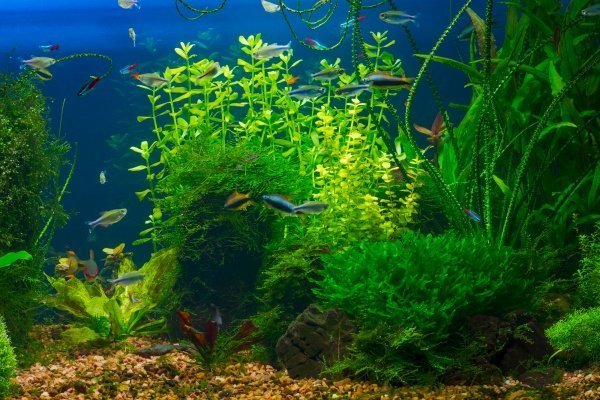
A UV sterilizer working inside an aquarium to eliminate free-floating algae and pathogens.
How to Choose the Right UV Sterilizer
Match wattage to tank size. An undersized UV sterilizer won’t provide enough exposure time to kill pathogens effectively. Always choose a unit rated for your tank’s actual volume or slightly above.
Consider your filtration setup. If you run a canister filter, an inline UV sterilizer (hygger Inline or Fluval) integrates cleanly and keeps equipment hidden. If you use HOB or sponge filters, a submersible unit is your only option.
Think about long-term costs. UV bulbs need replacement every 6–12 months. Factor in replacement bulb cost and availability — some units use proprietary bulbs that cost nearly as much as the unit itself.
Timer vs. no timer. Both hygger models include built-in timers, which genuinely helps manage bulb life. Units without timers (TARARIUM, Green Water Killer, Fluval) run continuously — consider pairing them with a separate outlet timer for scheduled operation.
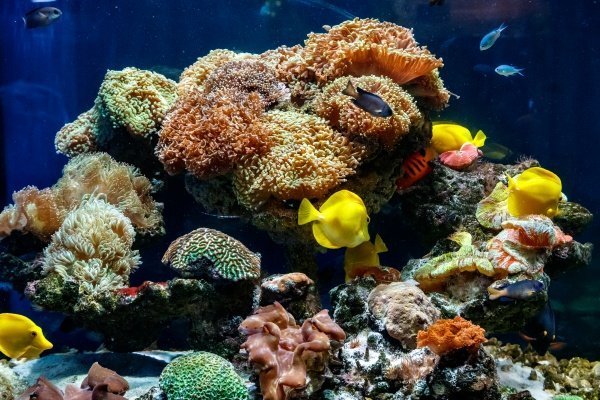
UV sterilizers use 254nm wavelength light to break down the DNA of free-floating microorganisms, clearing green water and reducing disease transmission.
Usage Tips
Turn Off UV When Medicating
UV light destroys many aquarium medications, rendering treatments ineffective. Always disable your UV sterilizer during the entire course of any fish medication, and keep it off until treatment is complete.
During green water outbreaks: Run UV continuously (24H mode if available) for 3–7 days. Larger tanks take longer to clear. Once the water is clear, reduce to daily maintenance runs of about 3 hours.
For disease prevention: UV sterilizers reduce transmission of free-floating parasites like ich and velvet between fish. Running UV during quarantine or when introducing new fish provides an extra layer of protection.
Maintenance schedule:
- Replace UV bulbs every 6–12 months — they lose effectiveness even while still visibly lit
- Clean quartz sleeves monthly (if accessible) with rubbing alcohol
- Check hose connections periodically on inline units for leaks
- Ensure adequate flow rate — too fast and water doesn’t get enough UV exposure
UV Won't Harm Beneficial Bacteria
Nitrifying bacteria colonize surfaces — filter media, substrate, rocks — and don’t float freely in the water. UV only affects organisms passing through the chamber, so your biological filtration stays intact.
The Bottom Line
For fishkeepers with a canister filter, the hygger Inline UV is the clear winner — highest rated, properly sealed, and available in three sizes with a built-in timer. It keeps everything out of the display tank.
If you don’t run a canister filter, the TARARIUM Filter UV is the best submersible choice, combining sponge filtration with UV sterilization across six sizes covering tanks up to 300 gallons.
For nano and small tanks under 40 gallons on a tight budget, the hygger Mini UV gets the job done for under $27 — just be diligent about keeping the protective shield secured.
How does a UV sterilizer work?
UV sterilizers expose aquarium water to ultraviolet light at 254nm wavelength, which breaks molecular bonds in the DNA of microorganisms. This kills free-floating bacteria, viruses, parasites, and algae cells as water passes through the unit. Only organisms that flow through the UV chamber are affected.
Will a UV sterilizer kill beneficial bacteria?
No. Beneficial nitrifying bacteria colonize surfaces like filter media, substrate, and live rock — they don't float freely in the water column. UV sterilizers only affect free-floating organisms that pass through the chamber, leaving your biological filtration completely intact.
Do I need a submersible or inline UV sterilizer?
Submersible units go directly in the tank and are plug-and-play — ideal if you don't run a canister filter. Inline units connect between your canister filter and tank, keeping equipment out of the display. Choose inline if you already have a canister filter; submersible if you want the simplest setup.
When should I turn off my UV sterilizer?
Turn off UV sterilizers when medicating fish, since UV destroys many aquarium medications. Also turn it off during initial tank cycling to allow beneficial bacteria to colonize surfaces. Otherwise, UV sterilizers can run continuously.
How often should I replace UV bulbs?
Replace UV bulbs every 6-12 months depending on usage. UV output decreases over time even if the bulb still illuminates visibly. Most manufacturers recommend replacement at around 9,000 hours of operation.
Can a UV sterilizer clear green water?
Yes — this is one of the most common uses. UV sterilizers kill the free-floating algae that cause green water, typically clearing it within 3-7 days depending on tank size and UV wattage. For severe algae blooms, running the UV continuously for the first week speeds up the process.
Found this helpful?
Share this guide with your fellow aquarium enthusiasts!

Written by
FTW Team
The FishTankWorld editorial team brings together experienced aquarists to help you succeed in the hobby.